Fill out the form below and a Sandy Concrete Services team member will get back with you as soon as possible.
Your Local Concrete Contractor in Sandy, Utah
We are your premiere Concrete contractors in Sandy. With our Utah native Concrete crew, we know the do's and don'ts to properly and efficiently take care of your home or business needs.
Besides providing professional expertise and quality services, Sandy Concrete Services offers free estimates and upfront prices on all services provided. Sandy, Utah Concrete Pros are only a call away! 801-851-1307
We offer a wide range of Concrete services in Sandy. Should you have a need that isn't listed, let us know.
Concrete Services We Provide
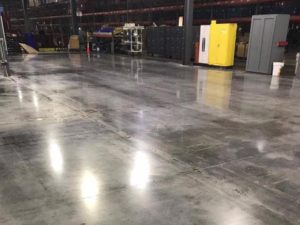
The possibilities are endless with Sandy Concrete Services. We've renewed the look of major retail outlets and laid thousands of feet of residential driveway! No job is too large or too small for the crew at Sandy Concrete Services
Read a few of our client’s reviews. Our customers are what makes us strive the be the very best Concrete Experts in Sandy and the surrounding areas.
Sylvia Martin
Foundation Work
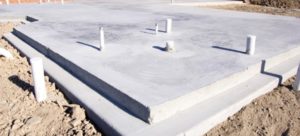
The work is awesome that Sandy Concrete Services did when they laid the foundation for our new room addition. Thanks!
Nicolas Walton
Concrete Driveway
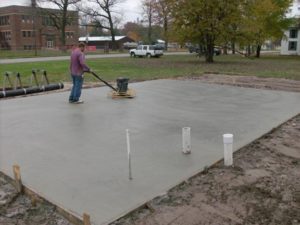
Sandy Concrete Services was helpful in providing me many options of driveway surfaces for my garage addition. I was impressed with the quality in which they installed my driveway.
Ted Stevenson
Commercial Concrete
Not able to tell you how satisfied I have been with Sandy Concrete Services. They provided much help expanding our parking lot.
Request a Free Concrete Estimate from Sandy Experts
You're not going to hit a ridiculously long phone menu when you call us. Your email isn't going to the inbox abyss, never to be seen or heard from again. With Sandy Concrete Services, we provide the exceptional service we'd want to experience ourselves!
Choosing Sandy Concrete Services means opting for quality, reliability, and a team that understands the local construction landscape. Our experienced professionals are dedicated to delivering exceptional results tailored to your specific needs, ensuring that your concrete projects are completed to the highest standards.
We pride ourselves on our transparent communication and customer-centric approach. By providing free estimates and upfront pricing, we eliminate surprises, allowing you to make informed decisions. Our commitment to excellence has made us a trusted choice for both residential and commercial concrete services in Sandy, Utah.
Our Commitment to Quality and Safety
At Sandy Concrete Services, quality and safety are at the forefront of everything we do. We adhere to industry best practices and use top-grade materials to ensure that every project not only meets but exceeds expectations. Our team is trained to follow strict safety protocols to protect both our workers and your property.
We believe that a strong foundation begins with a commitment to safety. By investing in regular training and using the latest technology, we ensure that our work is not only durable but also completed in a safe and efficient manner. This dedication to quality and safety has solidified our reputation in the community.
Frequently Asked Questions
We understand that choosing a concrete contractor can come with many questions. That's why we've compiled a list of frequently asked questions to help you navigate the process. From inquiries about project timelines to the types of materials we use, our FAQ section aims to provide clarity and confidence in your decision-making.
If you have additional questions that aren't covered, our team is always available to provide personalized answers. We believe in fostering open communication and ensuring that you feel informed and comfortable throughout your concrete project.
Customer Testimonials and Success Stories
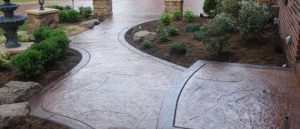
Our customers are our best advocates, and their testimonials speak volumes about the quality of our work. We take pride in showcasing success stories that highlight how Sandy Concrete Services has transformed spaces through our concrete solutions, whether it's a stunning patio or a robust foundation.
These testimonials not only reflect our commitment to quality but also demonstrate the satisfaction of our clients. By sharing their experiences, we hope to inspire confidence in potential customers looking for reliable concrete services in Sandy, Utah.

 Get Your FREE Quote Today